REPLICA PERCUSSION REVOLVER COLLECTORS BLOG
The Replica Percussion Revolver Collectors Blog is a collection of articles that provides historical information on the replica manufacturing industry, the importers who imported or currently import replica revolvers into the United States, the replica revolvers themselves and other valuable historical information. Much of this information is from the research of Dr. Jim Davis on the history of reproduction revolvers. His notes have been compiled into writings for the replica revolver collectors to aid in researching their revolver collections.
TABLE OF CONTENTS
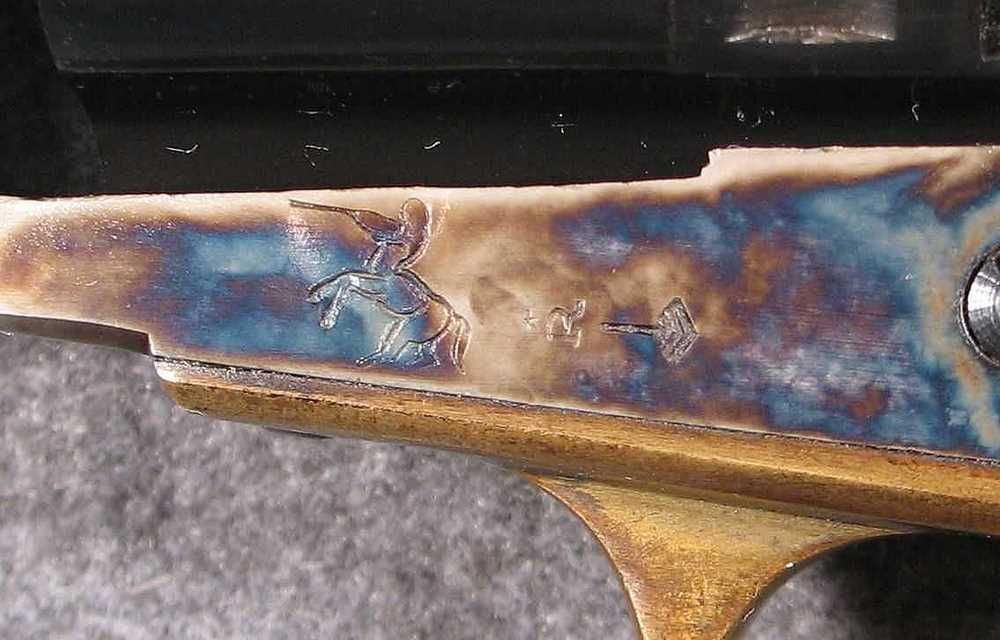
Based on the research program of the Friends of the Centaure Society (FROCS), documented at 1960nma.org
Manufacturing History, Findings and the Machinery Myth
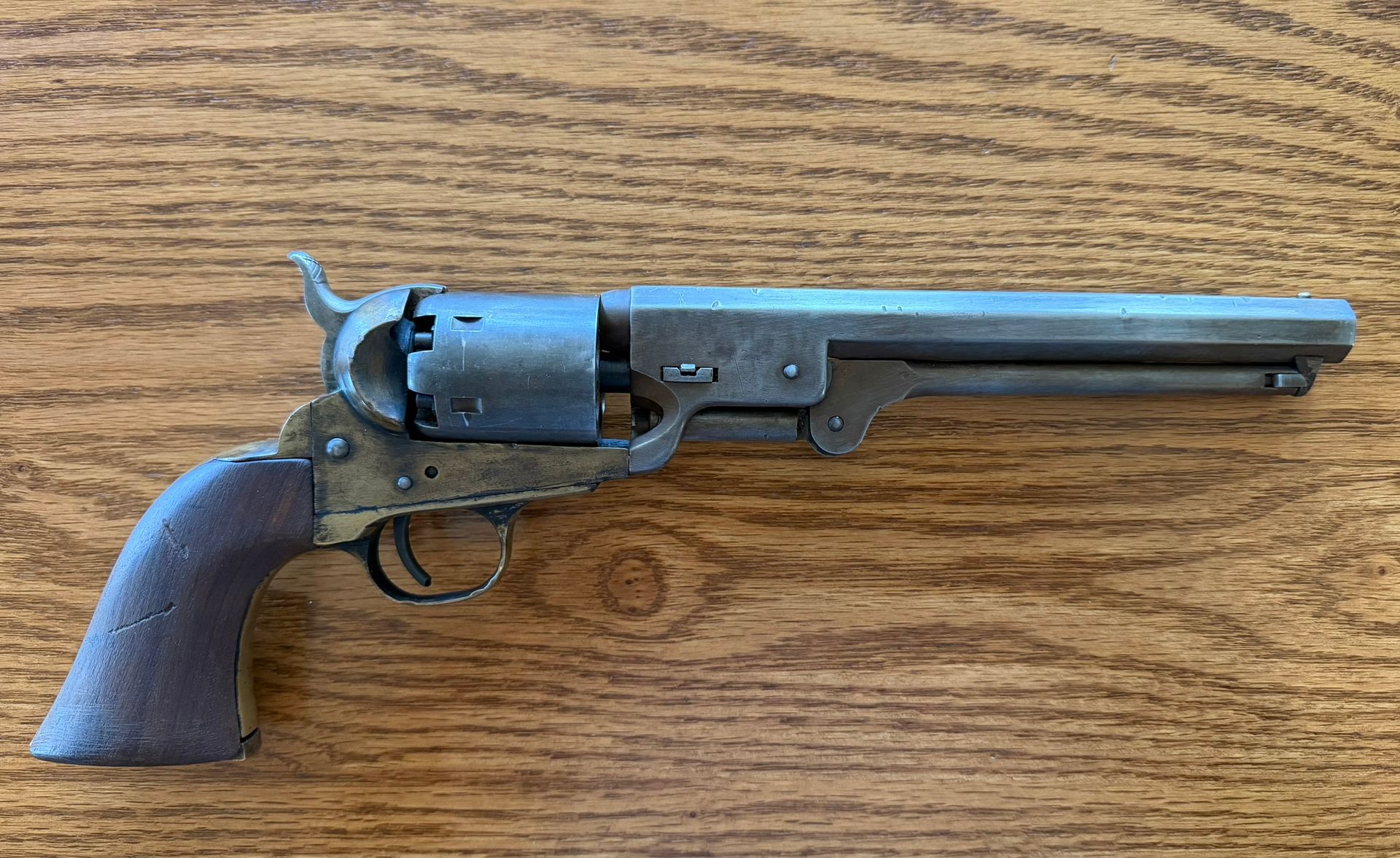
Fake Schneider & Glassick Revolvers
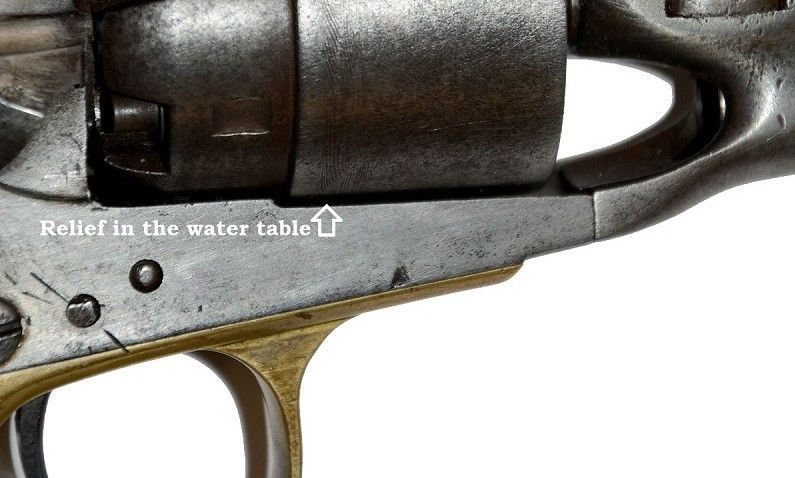
Between 1851 and 1873, Colt's Patent Fire Arms Manufacturing Company produced a sequence of cap-and-ball revolvers whose frame architecture embodies one of the most instructive evolutionary arcs in American gunmaking.
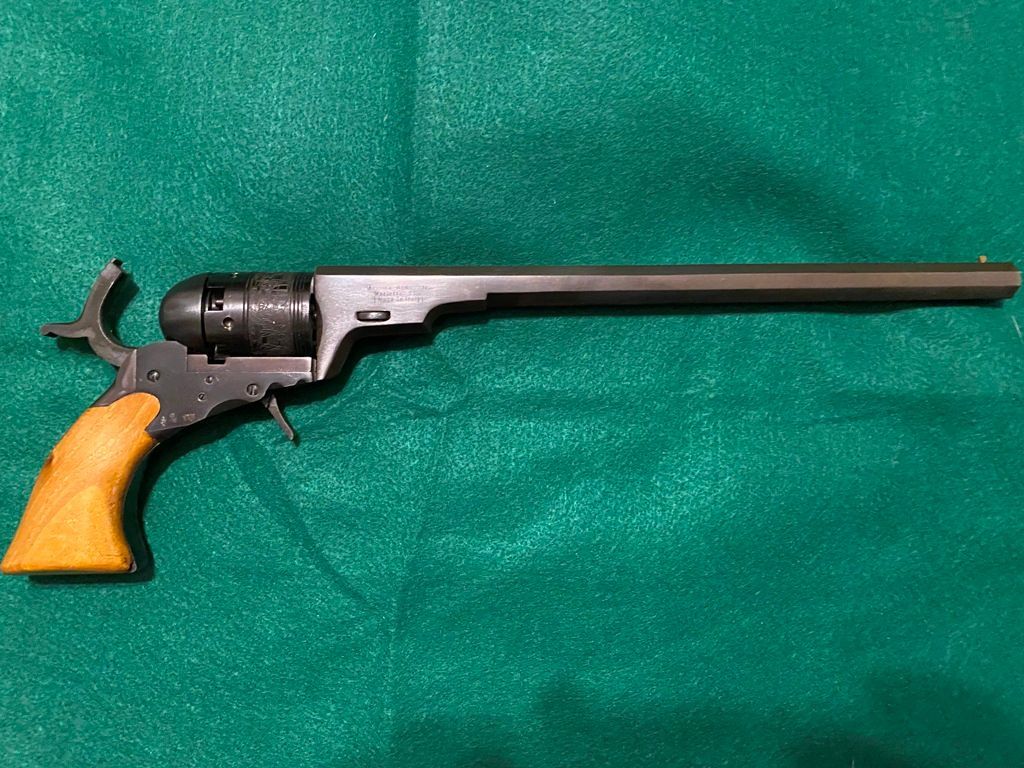
MOFRA‑Made Colt Paterson Replica Details
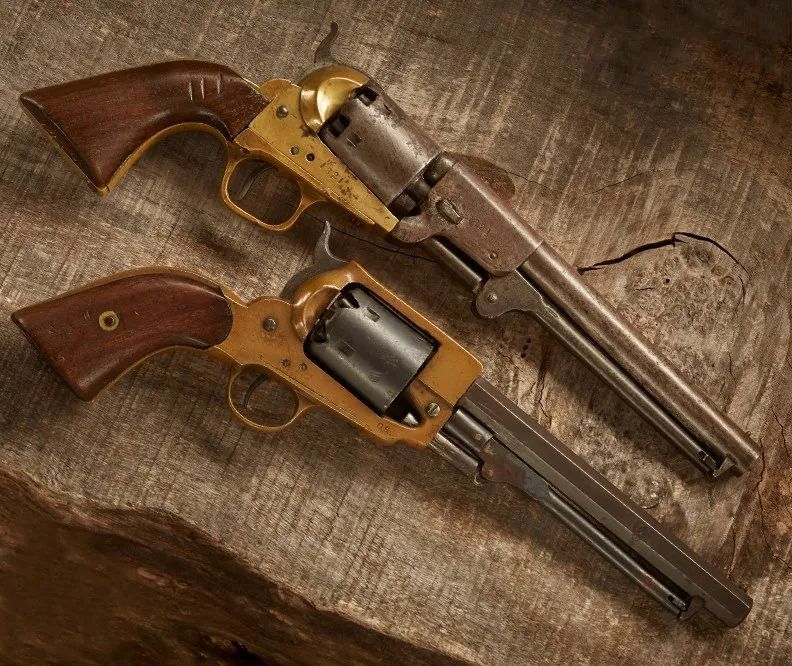
A Technical Analysis of Alloy Composition
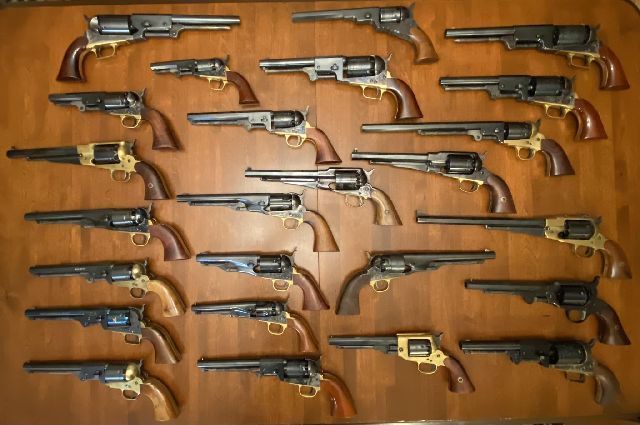
Replica Revolver Manufacturer Quality
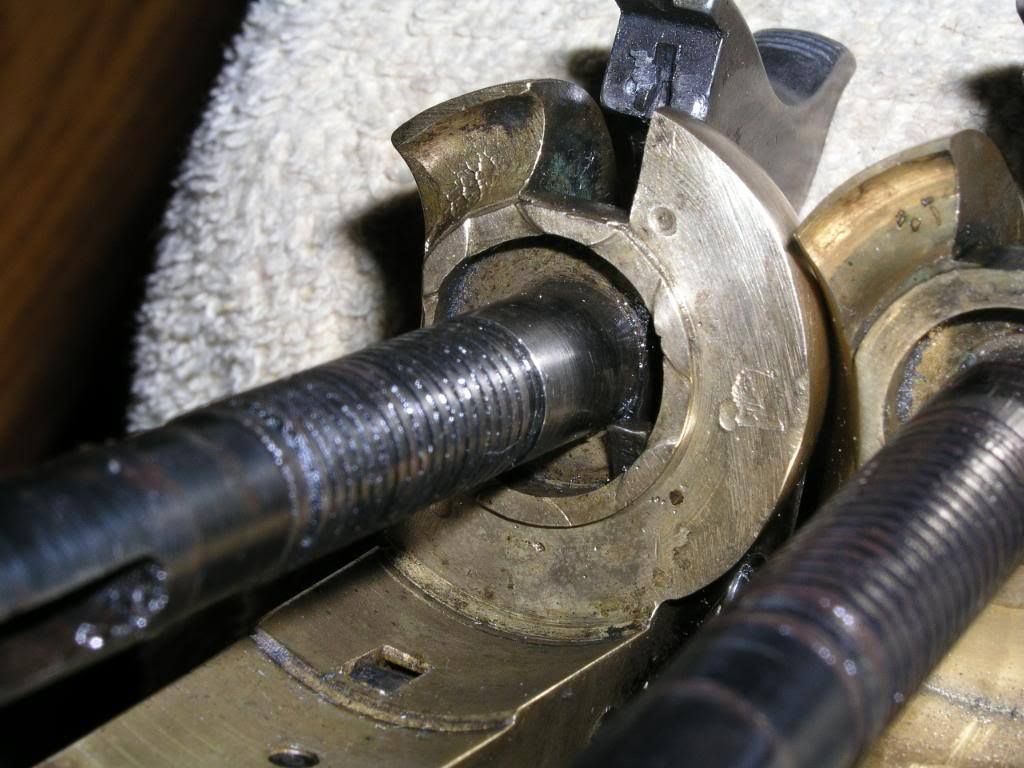
Steps in Repairing a Colt Open Top Replica Loose Arbor
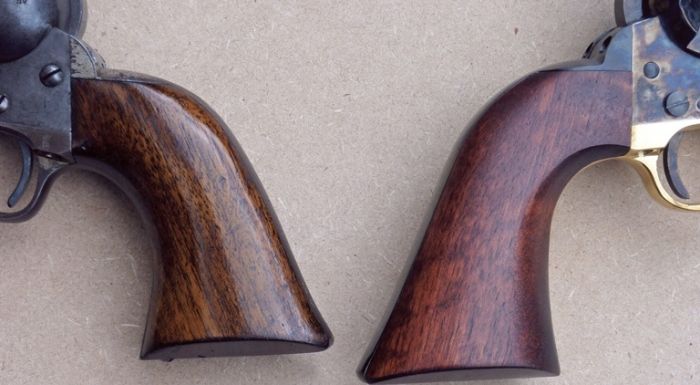
The Finishing of Original Colt Revolver Grips from 1836 to 1873